
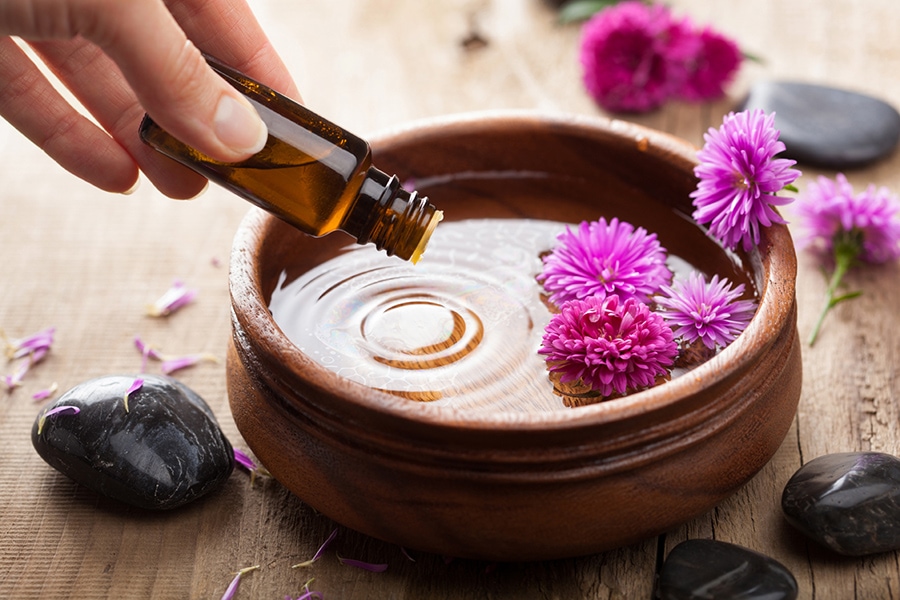
Gentle Programs for Soft Evening Closure
Sample routines for a quiet end to your day — free educational content, not medical or sleep treatment advice.
View Evening Programs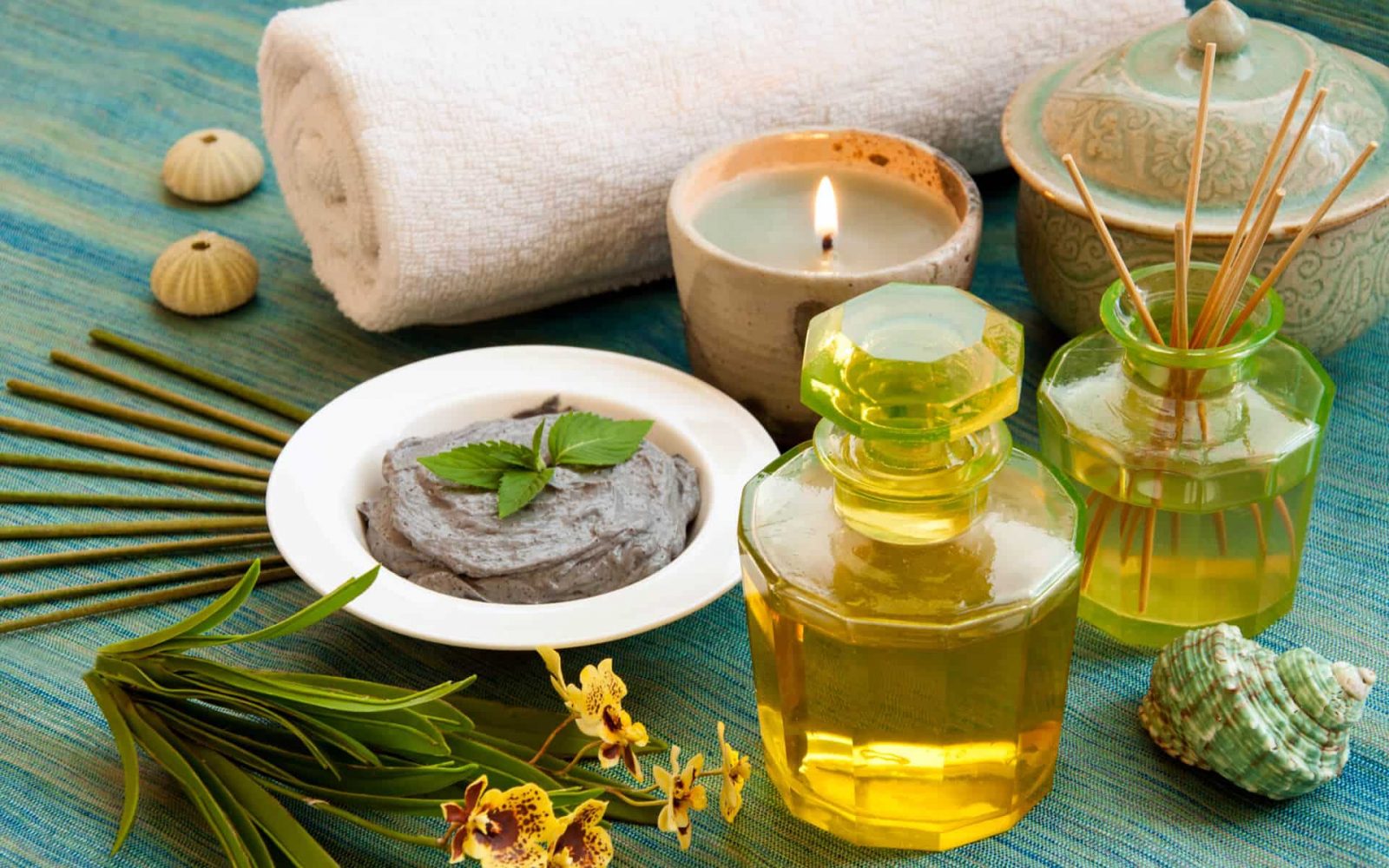
Scent & Tea Guides
Learn practical tips for using lavender, warm foot soaks, and herbal tea as part of a personal evening routine — with safety guidelines and no product sales on this site.
Explore Aromatherapy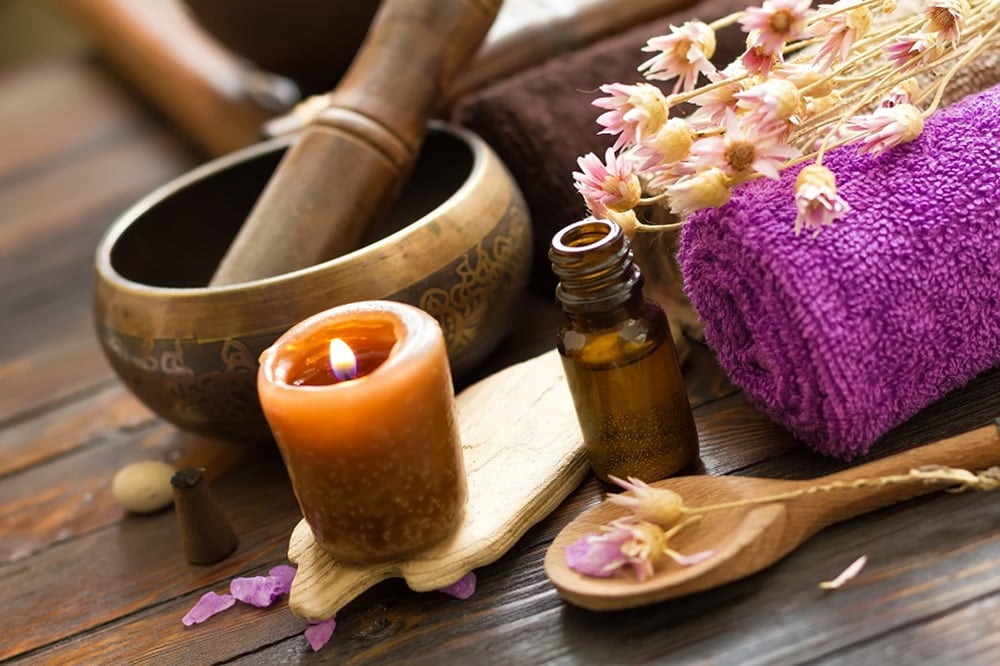
Breath, Stretch & Sensory Rituals
Simple, repeatable practices inspired by Japanese Zen aesthetics — quiet spaces, intentional pacing, and room to breathe.
Start with Breath WorkEducational resource only. Masteryartminds.ddd shares free lifestyle content about evening routines. We do not sell oils, supplements, or herbal products, and we do not provide medical, psychological, or therapeutic services. Results and experiences differ for each person. Read our Terms of Use and Privacy Policy.
What Soft Evening Closure Means
Soft evening closure is not about forcing rest or expecting a specific outcome. It is a deliberate sequence of small, repeatable actions that mark the end of your active day. Many people find that consistent cues — dimmer light, slower movement, a familiar scent or warm drink — make it easier to transition out of work mode when practiced over time.
Our guides at Masteryartminds.ddd focus on structure, not intensity: simple steps you can follow in an apartment or shared home, without special equipment or paid memberships. Think of it as closing the day the way you might close a book — gently, with intention.
Each suggested program lasts between twenty and forty-five minutes. You choose one anchor — scent, breath, tea, or gentle movement — and keep the rest optional. We describe habits; we do not promise particular feelings or outcomes.
- Predictable timing: Start within the same 30-minute window each evening when possible.
- Low stimulation: Reduce bright screens and loud inputs at least one hour before your chosen routine.
- Sensory anchors: A single scent or warm drink can become a reliable cue your mind recognizes.
- Flexible length: Shorten on busy nights; expand when you have more space and time.
Free Education
All guides are free to read. No paid subscriptions or product checkout on this site.
St. Louis, Missouri
8 N Newstead Ave, St. Louis, MO 63108. Real address and phone on our Contact page.
Transparent Purpose
Lifestyle articles only — not a clinic, pharmacy, or supplement store.
Why a Wind-Down Window Matters
Your body and mind do not switch off the moment you lie down. A short buffer between daytime activity and bedtime is a common habit recommendation in general wellness education. During this window, many people dim lights, stretch lightly, or brew caffeine-free tea as a personal signal that the day is ending.
Jumping from work emails straight to bed can feel abrupt. A soft closure routine — slow breathing, gentle stretching, or a familiar scent — gives you a predictable pause. This is a lifestyle habit, not a clinical intervention. It does not replace guidance from a licensed professional if you have ongoing sleep or stress concerns.
Japanese Zen practice emphasizes ma, the meaningful pause between actions. Applied to evenings, ma might be the five quiet minutes between finishing dishes and sitting with a cup of tea. That pause is part of the routine itself.
Practical Starting Point
Pick one simple cue to repeat: dim the main lights at a set time, brew the same caffeine-free tea, or run a diffuser for fifteen minutes. Keep everything else optional until that single step feels familiar.
Our Evening Program Families
Four structured paths you can follow individually or combine over the week.
Scent & Tea Guides
Lavender diffusion, warm foot soaks, and caffeine-free tea blends — with safety and dilution tips.
Learn MoreClassic Evening Programs
Thirty-minute sequences combining light tidying, journaling prompts, and gradual light reduction for a tidy mental closure.
View ProgramsBreath & Release
Four-seven-eight breathing, shoulder rolls, and seated twists designed to release daytime tension without raising heart rate.
Try Breath WorkSensory Rituals
Warm foot baths, textured fabrics, and single-note teas that engage touch and taste for grounded evening awareness.
Explore RitualsAromatherapy Snapshot: Lavender & Beyond
Lavender (Lavandula angustifolia) is widely used in home aromatherapy for its familiar, floral scent. In evening routines, many people use it as a timed sensory cue rather than a constant background smell. Published literature discusses lavender aroma in relaxation contexts; responses are individual and this site makes no claims about biological effects.
For home use, some people add three to five drops of true lavender oil to a diffuser filled with water, running it for fifteen to twenty minutes in a ventilated room — not all night. A warm foot soak with magnesium chloride flakes (one cup in warm water for about ten minutes) is another common evening habit described in lifestyle guides. Herbal caffeine-free teas with chamomile or lemon balm are often enjoyed as part of a quiet evening ritual.
Always patch-test new oils, never ingest essential oils without qualified professional guidance, and store products away from children and pets. We do not sell these products — we only describe how some readers choose to use items they already own.
- Dilute correctly: Never apply undiluted essential oils directly to skin; use a carrier oil at two to three percent concentration.
- Time your scents: Start diffusion thirty minutes before bed, then switch off to prevent overwhelming the room.
- Rotate herbs: Alternate lavender with cedarwood or bergamot weekly to maintain sensitivity to the aroma.
- Track your routine: Keep a simple journal noting which steps you tried and how the evening felt for you — personal preference matters more than any fixed rule.
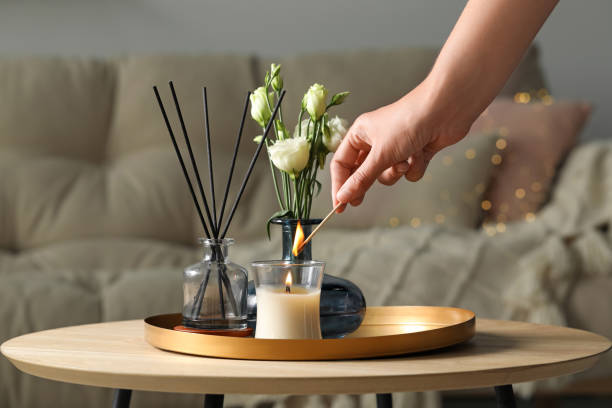
Creating Your Evening Corner
You do not need a dedicated room — a single chair, a low table, and a basket for your tools are enough. Choose one spot you return to each night. Keep a soft blanket, your diffuser, a journal, and a timer within arm's reach. Remove clutter from this zone so it reads as a boundary between day and night.
Lighting should be warm and indirect: amber bulbs around 2700K, or a salt lamp on its lowest setting. Avoid overhead fluorescents entirely during your routine. If you share your space, communicate your quiet window to housemates — a small sign on the door can help.
Over time, returning to the same chair or corner each evening can become a familiar habit — similar to how athletes use pre-game rituals. This is personal routine building, not a guaranteed outcome.
Build Your Ritual SpaceEvents Calendar
Upcoming community gatherings and online sessions hosted from St. Louis, MO.
| Date | Event | Format |
|---|---|---|
| June 12, 2026 | Intro to Lavender Diffusion & Safety | In-person workshop |
| June 26, 2026 | Thirty-Minute Evening Closure Walkthrough | Live online session |
| July 10, 2026 | Herbal Tea Blending for Wind-Down Routines | In-person workshop |
| July 24, 2026 | Breath & Gentle Stretch Circle | Community studio session |
| August 7, 2026 | Building a Sensory Ritual Kit at Home | Live online session |
Safety & Responsible Use
- Essential oils are concentrated plant extracts. Keep them away from eyes, mucous membranes, and open wounds. Discontinue use if irritation occurs.
- Magnesium soaks are generally well tolerated, but consult a qualified healthcare provider if you have kidney concerns or skin conditions.
- Herbal teas can interact with certain medications. Review ingredients with a pharmacist if you take prescription drugs regularly.
- Breath exercises should feel comfortable. Stop any practice that causes dizziness, numbness, or shortness of breath beyond mild effort.
- Pregnant or nursing individuals should verify herb and oil safety with a qualified professional before use.
When to Talk to a Licensed Professional
Ongoing sleep difficulty, persistent stress, or sudden changes in daily rest patterns may warrant a conversation with a licensed healthcare provider. Our articles describe general lifestyle ideas only — not diagnosis, treatment, or personalized advice.
Frequently Asked Questions
-
Building a new habit takes time and varies by person, schedule, and stress level. Some readers stick with one simple step for several weeks before adding more. Focus on what feels sustainable — there is no standard timeline and no promised result.
-
Yes, but start with one program for at least ten days before layering. A common combination is fifteen minutes of breath work followed by a lavender diffusion while journaling. Keep the total routine under forty-five minutes to avoid turning it into another task.
-
Many essential oils, including tea tree and eucalyptus, can be harmful to cats and dogs. Lavender is generally considered lower risk in well-ventilated spaces, but consult your veterinarian before diffusing any oil near pets. Never apply oils directly to animal fur or skin.
-
No. A basic ultrasonic diffuser, food-grade magnesium flakes, and one quality lavender oil are sufficient entry points. Borrow items from a friend or purchase travel-size versions before committing to larger bottles. Your attention and consistency matter more than brand names.